
Civilisation Holds the Bag
Sold to the people betting against it.

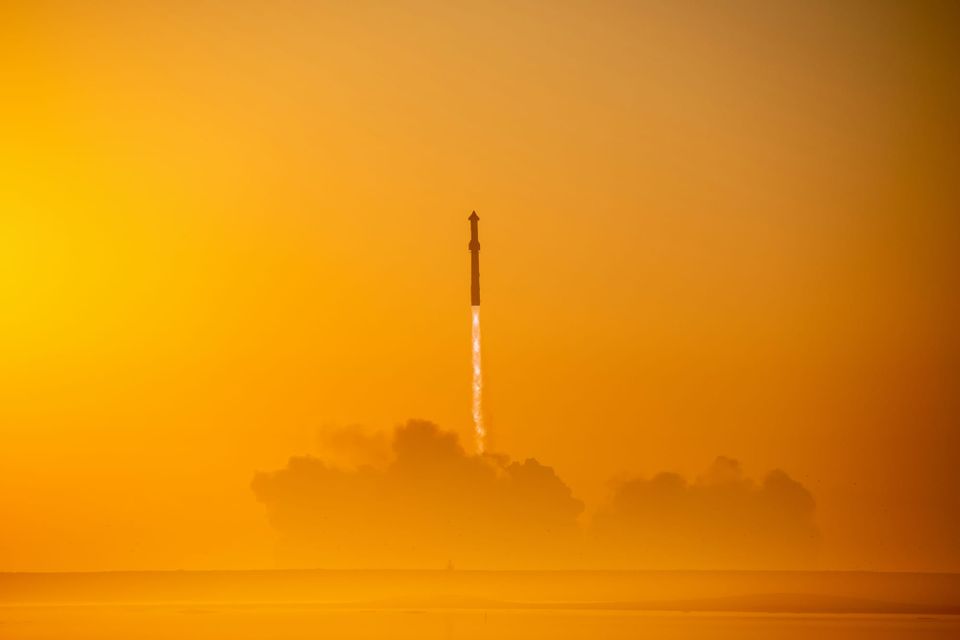
This week SpaceX prices the largest IPO in history — $75 billion at a $1.77 trillion valuation when I last looked, on a company whose AI unit burned $7.72 billion last quarter. It's the visible edge of something bigger and more profound, or so we need to believe. OpenAI is reportedly preparing a late-2026 listing. Anthropic is reportedly weighing a debut as soon as October. Alphabet, sitting on $127 billion in cash, has raised over $85 billion in debt across six currencies in the past year anyway — because its 2026 capital spending already exceeds its entire cash balance. Across the hyperscalers, capex now eats close to 94 percent of operating cash flow after dividends and buybacks. Not building, not borrowing, waiting to see how the era evolves — that kind of caution is for losers.
The bet is that a civilizational phase change arrives before the money runs out. Get there first and you own the infrastructure everything else has to run on. Get it wrong and the loss lands on whoever's holding the paper, not on the person who set the clock.
Markets have always financed transformation. Railways, telephony, the dotcoms — all underwritten by people who believed they were buying the future, much of it bid up on world-changing talk. The 1999 parallel the financial press keeps reaching for isn't wrong, but it's the wrong example. The dotcom bet was a bet inside the existing order: more commerce, more companies, more growth.
The bet now is that the order itself is about to end. Superintelligence. Civilizational-scale control within a single lifetime. A discontinuity large enough to make existing institutions obsolete and reward whoever's positioned best when it hits. The markets aren't being asked to finance a new industry. They're being asked to finance the rupture between the before-times and whatever comes after.
The companies selling these bets need us to believe the world is about to change beyond recognition. The investor buying the hundred-year bond is betting it won't — that Alphabet, or whatever succeeds it, will still be standing decades from now, predictable enough to pay him back. Both beliefs can't hold. One side is wrong about how fast the future arrives, and it isn't the side issuing the debt. The people who think they know when the rupture comes are selling debt to the people who don't — and spending the proceeds to build the world in which that debt stops meaning anything.
There's a precedent for a wager this size on remaking the whole order. The last time anyone bet at civilizational scale on a discontinuity — the bomb, the early Cold War buildout — it sat on the government's balance sheet, and the downside, if it came, fell to the taxpayer through appropriation (though, the current White House wants a piece). This one has moved off the public ledger and onto the public markets. The risk got privatized and democratized in the same motion — existential in content, retail in distribution. And it doesn't reverse: everyone holding the index is long the phase change now, whether they were asked or not.


Member discussion